ARTIST TO ARTIST: WITH CHRIS BOLAND, CAMBRIDGE WEDDING PHOTOGRAPHER

Chris, let us leap, with joy and faith, into the new year, by discussing Romance! These are the very first lines on your website’s home page… ‘I love to document the happiness and romance of wedding days in an elegant and beautiful style.’ Tell me about the beginnings of capturing romance in your life. Did it start with a person you were compelled to photograph? Or a beautiful, stylish camera?!
That’s an excellent and terrifying idea - let’s go for it! I would say there wasn’t a particular romantic relationship or particular person that inspired me to photograph weddings, but I think I found the idea of photography itself quite romantic. In weddings there is the romance of the relationship itself, but also the romance of the occasion and the romance of the more ordinary, less obvious moments. Maybe it’s a romantic perspective you can bring even to the everyday.
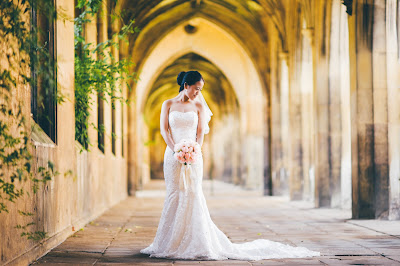
Early on, I didn’t feel any romance towards a camera, but I’ve since bought a few that are quite inspiring. I think photographing with film is quite romantic. It’s slow and less practical and what it gives you is sometimes hard to describe.
I have written a little about this in one of my YouTube videos:
I love the knowing comments beneath that video - expertise is a beautiful thing. In the next lines, you go on to say that ‘no wedding is ever too far’ for you to travel to. Where is the furthest you have travelled from your Cambridge base? How was it and how did it come about?
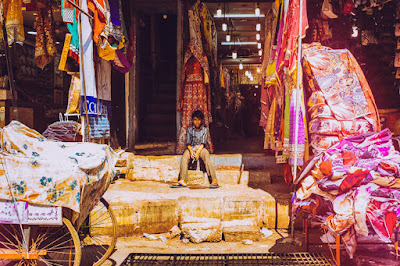
I certainly make sure to let people know that I will travel anywhere for a wedding. 'Cambridge and worldwide' is how I think I describe it. That covers most places, right? I really love being in new places with new people and being part of a wedding as a photographer is a wonderful experience. You're suddenly at the heart of something special, despite being in an unfamiliar place. The furthest I’ve been to is Australia. That was for a couple who had family over there and also closer to home here. They had two ceremonies and they asked me to photograph them both. It was a bit of a surprise as I was just starting out, but it was wonderful to see a little bit of the country. On the wedding day itself, it wasn’t a greatly different experience from being in England. A wedding in Bangalore was for a friend of mine who was the bride and that was much more of a new experience culturally. That was different and wonderful because of it.
Where did you grow up and were cameras and photography part of those growing up years?
I was born in Cambridge and lived nearby in St Ives for the first five years of my life - then there were five years in Surrey, then back living here ever since. Photography wasn't a big part of growing up - although I have good memories of my grandparents projecting photographic slides of holiday and family photos to us in their living room. My grandfather was a photographer for a time. I also remember us projecting the 8mm films my dad took while he was in the navy. So photography was definitely around, but it didn't lead directly to me loving photography. Music was always my big love and I found photography through that. In my early twenties, I used to write a music review page for the local newspaper and whenever I reviewed a show they always wanted pictures. So they would arrange photopasses for me at the concerts and very quickly I fell in love with and was addicted to photographing music concerts. I remember the first show I photographed for the paper was Mercury Rev at the Cambridge Junction. They started with the beautiful and dramatic The Dark Is Rising and I spent the next ten minutes or so in an absolute daze getting through five rolls of film. I didn't really know what I was doing - but that's how you start.

You mention another word to describe your style: ‘documentary’. Tell us more about this aspect of your photography. Are you a documentarian in any other field? What did you study at college or university?
I think documentary photography refers to just letting the day and events happen rather than constantly staging scenes for the purpose of photos. I think with wedding photography that’s a good place to start, but it’s not a strict rule. I think I get on better with couples who like the idea of documentary photography - it’s a more relaxed approach to capturing the day. It also ties in with the idea of seeing romance and beauty in ordinary things.
Posed ‘perfection’ often lacks something and it’s better to capture a real moment. However, sometimes making photos and posing a little is fun and actually part of the day. So with weddings that line blurs and I'm happy with that.
I guess the little videos I make on YouTube are documentary in their nature too. They are mostly slideshows of my photos with my thoughts narrated over the top. They document visits to different cities and different events. I’m currently writing one about a wedding I photographed in Spain last year.
And to answer your question about what I studied - it was psychology and politics. They are two subjects I chose because I was intrigued by them and I thought I’d enjoy the course. I love the pictures Pete Souza took documenting Barack Obama's time as president - I’d absolutely love to do something like that.
I know you say your intention is not to create Hollywood style films, but may I beg to differ? The wedding videos you have posted to your website are absolutely worthy of, if not better than, most Hollywood or British rom-coms - I was completely drawn in and wanted to know more about not only the couples, but various other family members and friends! Had I known you were a videographer too, I would definitely have asked you to film Dad’s 80th birthday rather than simply photograph it. When did you start doing both?
Firstly, thank you. It has been quite recently that I have become interested in filming. Well, the past couple of years or so and one of those was a very quiet pandemic wedding season! It’s really interesting that you note the contrast between the way I describe the films and how they actually look. There is a tension there. My instinct at the moment is that they are more slick than I would like. I’m really still trying to find my style, but I would like them to be even more filmic in their look and more intimate. I have an idea of them being the most beautiful home movies possible. Like they were filmed by a close friend of the couple with 16mm film. That’s my idea at least.
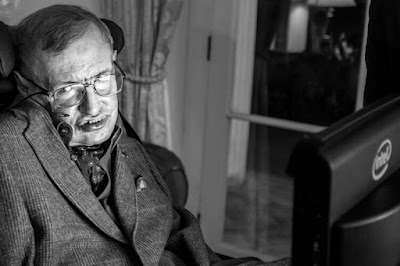
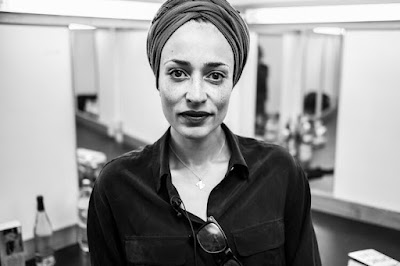
I can only begin to imagine how happy the couples are with your videography - the only home movie we have is a VHS video from when I was ten years old, but it has my grandfather in it, and so he comes alive anytime we watch it. It's so precious. Weddings aside, you are also the man on the scene during Cambridge’s various literary events. You have photographed a host of the artistic and scientific elite. Would you share how this came about? And perhaps some anecdotes of these famous faces being captured by you?
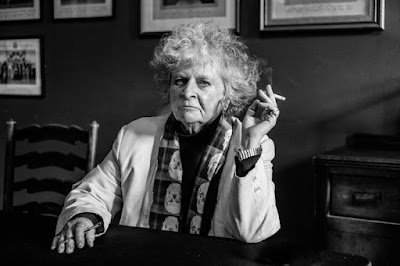
Many years ago a friend put me in touch with the organisers of a local literary festival and I photographed that for many years up until just a couple of years ago. I enjoyed it quite a lot - especially when I got to photograph an author I liked. More recently I have photographed events at the Cambridge Union Society and there have been some fantastic people to photograph there. They’ll sit talking or listening on these big chairs in the union chamber and it’s like an hour-long portrait session for me. I'm not sure I have any great anecdotes unfortunately - I mostly just recall the impression you'd get from spending a short time in the company of different people. Some people are guarded (both literally and metaphorically), but I'm one for appreciating and remembering friendliness and openness. I remember Iain Banks was so warm and Dame Prue Leith queued for ages to get a book signed when I'm sure she could have just met the author in the green room. And the playwright Michael Frayn said I looked like a spy - which was a compliment, obviously.
There is clearly so much love and passion in the work you do, so is this where you feel settled? Or do you have some future plans? Something you would like to expand into or include?
While I enjoy photographing and filming weddings, I would love to do more portrait photography. It would be great to do some work for magazines to go with editorial pieces or interviews.
I have had an idea to do a series of interviews where I take a person's portrait and interview them while I do it. It's just an idea and thinking about it now - I'm not sure if it's an especially good idea. People don't look great while they are talking and actually encouraging that might not make for great photos. It's still an idea in the back of my head though - you never know, it could work.
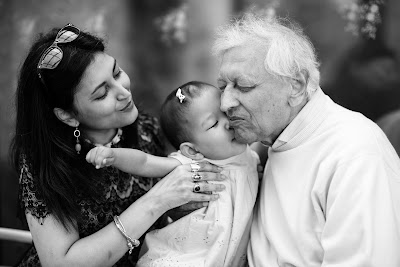
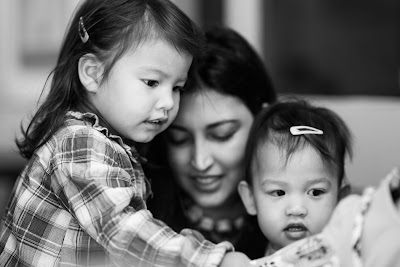
Pretty sure you could make it work, Chris. I think that a docu-style collaboration between words and images sounds ideal. I would think that, as a writer and daughter of a portrait artist! Speaking of which, thank you again for the photographs you captured of our family at a time when we could all be together. This really is an art, and if not timeless, time-bending. Good luck, my friend, and thank you for the interview!
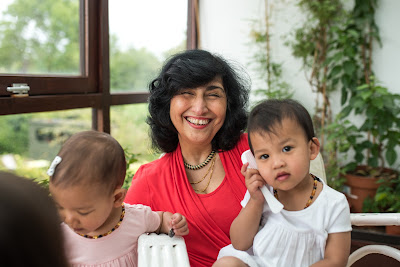

Chris can be found at his website: www.chrisboland.com